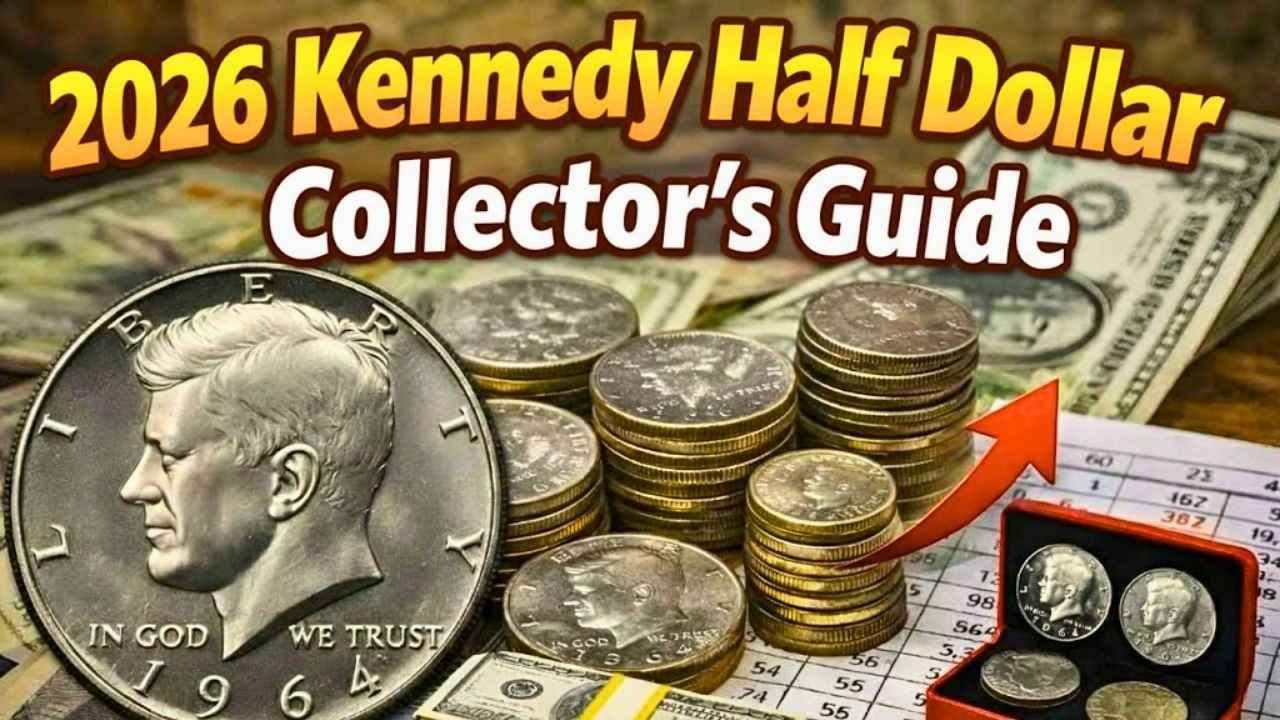
The Kennedy Half Dollar has been an enduring symbol of American numismatics since its debut in 1964. Struck to honor President John F. Kennedy following his assassination, the coin quickly became a cherished keepsake and a source of national pride. In 2026, collectors continue to seek Kennedy Half Dollars for their historical significance, design appeal, and investment potential. This guide explores the coin’s origins, varieties, current market trends, and tips for collectors looking to build valuable collections.
Origins of the Kennedy Half Dollar
Introduced in 1964, the Kennedy Half Dollar replaced the Franklin Half Dollar and captured the nation’s attention with its compelling design. The obverse features a portrait of President Kennedy, crafted by Gilroy Roberts, while the reverse displays the Presidential Seal, designed by Frank Gasparro. The coin was immediately popular, with millions of Americans saving them as mementos rather than spending them. Over the decades, the series has undergone changes in composition and minting techniques, reflecting evolving economic conditions and collector demand.
Composition and Design Changes
Kennedy Half Dollars have seen several significant changes in metal composition and design over the years:
- 1964: 90% silver, 10% copper – the original and most valuable circulation issue
- 1965–1970: 40% silver, a reduction due to rising silver prices
- 1971 onward: Copper‑nickel clad for general circulation
- Special proof and collector editions: Often struck in silver or with enhanced finishes for numismatists
These variations influence both collectibility and market value, making it essential for collectors to identify key issues.
Key Kennedy Half Dollar Varieties
Several Kennedy Half Dollar varieties are particularly prized in 2026:
| Year | Composition | Notable Feature | Collector Value (2026) |
|---|---|---|---|
| 1964 | 90% Silver | First-year issue | $50–$500 depending on grade |
| 1964 SMS | 90% Silver | Special Mint Set rarity | $10,000+ |
| 1965–1970 | 40% Silver | Transitional silver issues | $20–$200 |
| 1971–Present | Copper‑Nickel | Circulation strikes | Face value to $10 |
| 1976 Bicentennial | Copper‑Nickel & Silver Proof | Dual date 1776–1976 | $5–$200 |
| 1992–Present Proofs | Silver Proofs | Collector editions | $20–$100 |
| 2014 50th Anniversary | Gold Proof | Limited mintage | $1,000+ |
| 2026 Issue | Copper‑Nickel & Silver Proof | Modern collector demand | $10–$150 |
Rare Silver and Proof Editions

1964 coins, especially the Special Mint Sets (SMS), remain among the most sought-after varieties. These coins feature pristine strikes and high-quality surfaces, commanding premiums in top grades. Proof issues, including silver and anniversary editions, are also highly desirable for collectors seeking both aesthetic appeal and investment potential.
Bicentennial and Anniversary Coins
The 1976 Bicentennial Kennedy Half Dollar, struck with dual dates (1776–1976), remains popular among collectors. Limited edition proofs, such as the 50th Anniversary gold proof from 2014, demonstrate the coin’s continued appeal in commemorative and high-value markets.
Market Trends in 2026
The Kennedy Half Dollar market remains strong in 2026, with both casual collectors and serious numismatists actively seeking rare issues. While most circulation strikes are affordable, coins with silver content, proof finishes, or limited mintage editions command significant premiums. Auction houses continue to report strong results for high-grade silver proofs, and online marketplaces have broadened access to collectors worldwide, increasing competition for rare specimens.
Collecting Strategies
- Prioritize condition: Coins graded MS65 or higher are especially valuable.
- Focus on rare varieties: SMS, anniversary editions, and silver proofs are in high demand.
- Complete sets by year and mint mark: Building comprehensive collections enhances historical and financial value.
- Preserve carefully: Protective holders help prevent tarnish, scratches, and wear.
- Monitor auctions and releases: Staying informed allows collectors to acquire key issues as they become available.
Historical Significance
Beyond its monetary value, the Kennedy Half Dollar serves as a tribute to a president whose legacy continues to inspire. Introduced during a period of national mourning, the coin has become a symbol of unity and resilience. Collectors value not only the metal content but also the emotional and historical connections associated with each coin.
Key Highlights
- Introduced in 1964 to honor President John F. Kennedy
- Composition evolved from 90% silver to copper-nickel over time
- Rare varieties such as 1964 SMS and anniversary editions are highly valuable
- In 2026, collector demand remains strong for silver proofs and high-grade coins
- The coin represents history, patriotism, and investment potential
Final Thoughts
The Kennedy Half Dollar stands as one of America’s most iconic coins, cherished for its design, history, and symbolism. In 2026, collectors have opportunities to explore a wide range of issues—from affordable circulation strikes to rare proofs and limited editions. Whether completing a full set or acquiring a single standout coin, the Kennedy Half Dollar offers a tangible connection to American history and a chance to hold a piece of the nation’s legacy in your hands.